
Military Travel
Edelweiss Lodge Eligibility: Who Can Stay?
Detailed eligibility criteria for staying at Edelweiss Lodge Garmisch, including military, veteran, civilian employee, and guest sponsorship rules.
September 3, 2026 18 min read
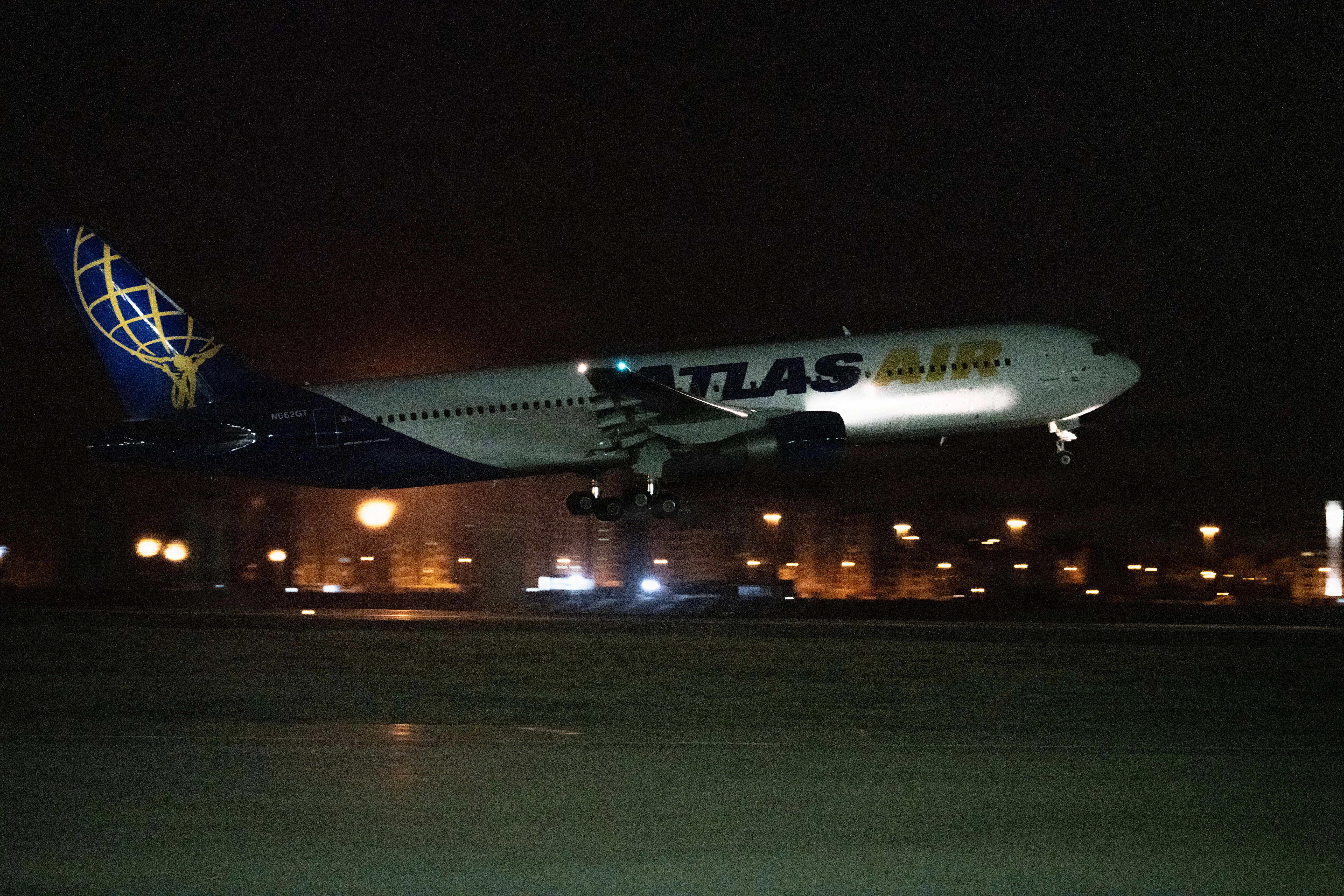
Space-Available travel, usually called Space-A, lets eligible military travelers fly on Department of Defense (DoD)-owned or DoD-controlled aircraft when extra seats are available. It can be free on military aircraft or low-cost on Patriot Express commercial charter flights, but seats are never guaranteed.
Travelers compete for seats by priority category, from Category I emergency leave travelers to Category VI retirees, certain Reservists and National Guard members, and eligible 100% disabled veterans. Within each category, sign-up date and time matter.
Space-A can save money, but you need flexible dates, correct documents, and enough backup funds for lodging or commercial flights if plans change.
Bottom Line
Space-A can save hundreds or even thousands of dollars, but only if your schedule can handle uncertainty. If you must be somewhere on a specific date, buy a commercial ticket or have one ready as a backup.
This guide is for military travelers who want a clear, realistic explanation of Space-A before showing up at a passenger terminal.
It is written for:
This guide is also useful if you are planning leave, visiting family, returning from an overseas assignment, or considering Space-A as part of a larger trip.
Space-A is not a good fit if you need guaranteed flights, fixed vacation dates, tight connections, cruise departures, nonrefundable tours, or a return flight the night before duty.
Space-Available travel means unused seats on DoD-owned or DoD-controlled aircraft may be offered to eligible travelers after mission requirements are met.
That last part matters.
Space-A travelers do not control the mission. They fill seats only after official Space-Required passengers, cargo, crew needs, and operational requirements are handled.
In plain English: if the military mission changes, your travel plans can change too.
Many Space-A passenger operations are managed by Air Mobility Command (AMC). AMC passenger terminals publish flight information, process travelers, conduct roll calls, and release seats when available.
The main official resource to bookmark is the Air Mobility Command Travel Site. It includes Space-A guidance, passenger terminal information, and access to AMC travel forms.
Space-A eligibility is governed by DoDI 4515.13, Air Transportation Eligibility. Because policy can change, verify current rules before making travel decisions.
Space-A can work well for:
A good Space-A trip usually has flexibility built in on both ends.
Space-A is usually a poor fit for:
If missing the flight would create a serious problem, Space-A should be your backup option, not your main plan.
Most Space-A trips follow the same general process:
Every leg matters. Getting a seat from Baltimore to Ramstein does not guarantee you a seat from Ramstein back to Baltimore.
Space-A seats are awarded by priority category first. Within each category, sign-up date and time are used to rank travelers.
For example, a Category III traveler generally outranks a Category VI traveler, even if the Category VI traveler signed up earlier. But between two Category III travelers, the one with the earlier sign-up date and time usually has the advantage.
That is why experienced Space-A travelers sign up as early as allowed and keep proof of their request.
Roll call is when the passenger terminal announces available seats and selects Space-A passengers.
To compete for a seat, you normally must be physically present or marked present according to that terminal’s procedures before roll call begins. Do not assume that signing up for Space-A automatically puts you in competition for a specific flight.
Terminals may require you to arrive well before roll call for document checks, baggage screening, or other processing.
Important
Signing up for Space-A does not mean you are competing for a specific flight. You still need to arrive, mark yourself present, and be available when roll call starts.
Space-A eligibility depends on traveler status, orders, location, command sponsorship, leave status, documentation, and current DoD policy.
Before making plans, verify eligibility using the Air Mobility Command Travel Site, the current version of DoDI 4515.13, Air Transportation Eligibility, and the passenger terminal you plan to use.
Important
Space-A rules can change. Always verify current eligibility, documentation, baggage limits, and roll call procedures with AMC and the passenger terminal before traveling.
Space-A travelers are grouped into six broad priority categories. Category I is the highest priority. Category VI is the lowest.
| Category | Priority Level | Common Passenger Types | Purpose of Travel | Key Notes |
|---|---|---|---|---|
| Category I | Highest | Emergency leave travelers | Emergency leave | Requires proper emergency leave documentation |
| Category II | High | Environmental and Morale Leave travelers | Authorized EML travel | Usually applies to certain OCONUS locations |
| Category III | Medium-high | Active-duty members on ordinary leave and certain authorized travelers | Ordinary leave or authorized active-duty travel | Common category for active-duty leave travel |
| Category IV | Medium | Unaccompanied dependents on EML | EML-dependent travel | Requires proper authorization |
| Category V | Medium-low | Certain permissive Temporary Duty travelers and command-sponsored dependents | Permissive TDY or authorized dependent travel | Documentation is critical |
| Category VI | Lowest | Retirees, eligible Reservists, National Guard members, and eligible 100% disabled veterans | Authorized leisure or personal travel | Lowest priority and subject to restrictions |
Category I is the highest Space-A priority and generally applies to emergency leave travel.
This may include urgent family emergencies or similar qualifying situations, but travelers must have proper documentation. Do not assume a situation qualifies without command approval and terminal verification.
Category II applies to certain Environmental and Morale Leave (EML) travel. EML is generally tied to specific OCONUS locations where service members and families may receive authorized leave travel benefits because of assignment conditions.
If you are stationed overseas, your command or installation travel office should be able to explain whether EML applies to your location and what paperwork is required.
Category III is one of the most common categories for active-duty service members traveling on ordinary leave.
Dependents traveling with the sponsor may also fall under this category when authorized. Leave paperwork is essential. If you are active duty, make sure your leave is approved and valid for your intended travel period.
Category IV may apply to unaccompanied dependents traveling under Environmental and Morale Leave.
This is important for some OCONUS families because it may allow dependents to travel without the sponsor in specific authorized situations. Command approval and EML documentation are required.
Category V may include certain permissive Temporary Duty (TDY) travel and command-sponsored dependents traveling without the sponsor in specific OCONUS situations.
This category often matters to military spouses stationed overseas. The key point is that documentation controls everything. A spouse or dependent should not show up at a terminal assuming eligibility without the required authorization letter or command sponsorship paperwork.
Category VI is the lowest Space-A priority category.
It generally includes:
Standard dependents generally cannot travel Category VI without the sponsor unless they are separately authorized under another category. Retiree dependents usually travel with the retiree sponsor.
Eligible veterans with a permanent 100% service-connected disability rating may use Category VI Space-A travel under current authority, but the benefit has important limits.
In general, eligible 100% disabled veterans may travel within CONUS and to certain U.S. territories such as Alaska, Hawaii, Guam, Puerto Rico, American Samoa, and the U.S. Virgin Islands.
They are not authorized to use this Space-A eligibility alone for travel to foreign countries such as Germany, Japan, or the United Kingdom.
Because this is an area where details matter, verify current rules through AMC and official DoD guidance before making plans.
Warning
Eligible 100% disabled veterans may use Category VI Space-A travel, but foreign country travel is not authorized under this eligibility alone. Verify current route restrictions before making plans.
Reserve and National Guard Space-A eligibility can vary depending on status, orders, and travel location.
Some Reserve Component members may be limited to CONUS and U.S. territories unless they are on qualifying active-duty orders. Do not assume Reserve or Guard travel rules are the same as active-duty ordinary leave.
If you are unsure, check current DoD guidance and confirm with the passenger terminal before planning around Space-A.
Space-A flights on military aircraft are generally free for eligible passengers.
These may include aircraft such as:
Free does not mean risk-free. A canceled mission can leave you paying for lodging, meals, rental cars, or last-minute commercial flights.
Patriot Express flights use commercial aircraft chartered by the DoD. These flights often feel more like standard airline travel, but they are still part of military passenger movement.
Space-A passengers on Patriot Express flights may pay applicable head taxes, inspection fees, or similar charges, especially on international routes. The exact cost can vary by airport and destination, so verify current fees with the passenger terminal.
Space-A can reduce airfare costs, but it can create other expenses.
Plan for:
If you cannot afford a backup plan, you may not be ready for Space-A.
Travelers can generally sign up for Space-A up to 60 days before travel.
Because sign-up date and time matter within your category, it is usually best to sign up as early as allowed. Active-duty members normally need to be on leave or have proper authorization, depending on the category and travel purpose.
Category-specific rules can vary, so verify timing requirements before submitting your request.
Common Space-A sign-up methods include:
Email is often preferred because it creates a time-stamped record. Keep your sent email, any confirmation reply, and copies of all attachments.
AMC Form 140 is the Space-Available Travel Request.
Download the current version from the Air Mobility Command Travel Site. Do not rely on an old copy saved on your computer unless you have verified it is current.
In general, you will submit AMC Form 140 or the required information to the passenger terminals you may use. Each terminal may have specific instructions, so read the terminal’s guidance carefully.
Your Space-A request may need information such as:
If you are missing required information, your sign-up may be delayed or rejected.
Signing up at multiple terminals can be useful if you are flexible.
For example, if you live within reasonable driving distance of more than one AMC terminal, you may want to watch several options. Each terminal manages its own Space-A list, so signing up at one terminal does not automatically put you on every other terminal’s list.
Track each terminal’s instructions carefully. Do not assume procedures are identical everywhere.
Document requirements depend on category, destination, traveler status, and terminal procedures. Always confirm directly with the passenger terminal before departure.
| Traveler Type | Common Documents Needed | Notes |
|---|---|---|
| Active-duty service member | Military ID, approved leave paperwork or authorization, passport for international travel, visa or entry documents if required | Leave dates and authorization must support the travel |
| Spouse traveling with sponsor | Dependent ID, passport for international travel, destination entry documents, sponsor’s paperwork when required | Category usually follows the sponsor’s eligible travel |
| Unaccompanied dependent | Dependent ID, passport, command sponsorship documents, EML paperwork when applicable, authorization letter | Eligibility is limited and documentation is critical |
| Retiree | Retired military ID, passport for international travel, destination entry documents, Space-A sign-up confirmation | Usually Category VI |
| 100% disabled veteran | Appropriate DoD identification or eligibility documentation, disability status documentation if required, authorized route confirmation | Category VI and route restrictions apply |
| Reserve or National Guard member | Military ID, orders if applicable, status documentation if required, passport and destination documents if needed | Eligibility may depend on duty status and travel location |
Active-duty travelers should usually carry:
Keep printed and digital copies. Your phone battery dying at the terminal should not stop your trip.
Military spouses and dependents may need:
For international travel, verify passport and entry requirements using U.S. State Department travel information.
Retirees should usually carry:
Retirees normally travel in Category VI, so flexibility is especially important.
Eligible 100% disabled veterans should carry:
Verify current DAV Space-A rules before departure. Do not rely on old forum posts or unofficial group comments.
Reserve and National Guard members should carry:
Eligibility may depend on your duty status, so confirm before building a trip around Space-A.
Many AMC passenger terminals publish 72-hour flight schedules. These schedules may show:
These schedules are useful, but they are not guarantees.
Warning
A flight listed on a 72-hour slide can change, delay, or disappear because of mission requirements. Treat the schedule as planning information, not a reservation.
Many passenger terminals use official Facebook pages as the fastest way to post updates. These pages often show the latest 72-hour slides, roll call changes, and terminal announcements.
Examples of terminals that commonly matter for Space-A travelers include:
Make sure you are following the official terminal page, not an unofficial travel group. Unofficial groups can be helpful for traveler experiences, but they are not policy sources.
Calling or emailing the passenger terminal can help confirm:
Terminals can be busy. Be polite, concise, and prepared before contacting them.
“Seats released” means the number of seats currently available for Space-A travelers.
That number can change before roll call. A flight showing many seats can disappear because of mission requirements. A flight showing zero seats may later release seats, but you should not count on it.
Space-A is not final until you are selected, processed, and on the aircraft.
Start by confirming that every traveler in your group is eligible.
Check:
Use AMC guidance, DoDI 4515.13, and the passenger terminal if you are unsure.
Submit AMC Form 140 or the required information to the terminal.
When possible:
Your sign-up date and time can matter later.
Follow official terminal updates and watch the 72-hour slides.
Track:
Do not build your plan around one perfect flight.
Before you go to the terminal, decide what you will do if Space-A does not work.
A good backup plan includes:
Do not wait until you are stranded to figure this out.
Arrive early enough for:
Then mark yourself present according to terminal instructions. This step is separate from signing up.
Stay close enough to hear announcements. Keep documents ready and know your category.
If selected, things may move quickly. If not selected, be prepared to wait, shift terminals, try another route, or use your commercial backup plan.
If selected, your bags may be weighed and checked. Follow terminal staff instructions carefully.
Depending on the route, you may also go through security screening, customs, immigration processing, or additional checks.
Your return flight is not guaranteed.
You must compete again for every leg of travel. Build extra days into the return plan and avoid planning to return the night before duty unless you already have a reliable commercial backup ticket.
Pro Tip
Bookmark your Space-A pre-travel checklist before you head to the terminal. It is much easier to fix missing paperwork at home than at roll call.
Space-A flights on military aircraft can be very different from commercial flights.
Depending on the aircraft and mission, you may experience:
Bring layers, snacks if permitted, ear protection, medication, and patience.
Patriot Express flights are commercial-style aircraft chartered by the DoD. They usually feel more like airline travel than a cargo aircraft.
Depending on the route, they may include:
Space-A seats on Patriot Express are only available after Space-Required travelers are accommodated.
| Feature | Military Aircraft | Patriot Express |
|---|---|---|
| Cost | Generally free for Space-A passengers | May require head taxes, inspection fees, or similar charges |
| Aircraft type | Military aircraft such as C-17, C-5, C-130, or similar aircraft | Commercial aircraft chartered by the DoD |
| Seating | Cargo-style, web seating, or airline-style seating depending on aircraft | Commercial-style seating |
| Comfort | Basic and mission-focused | More like a standard airline flight |
| Temperature | Can be cold, especially on cargo aircraft | Usually more climate-controlled |
| Noise | Often loud | Similar to commercial airline noise |
| Meals | Limited or none unless otherwise arranged | May include meal service depending on route |
| Baggage | Varies by aircraft, mission, and terminal | More standardized but still subject to terminal rules |
| Pet travel | Generally not practical for Space-A | PCS pet spaces may exist in limited Space-Required situations |
| Best for | Flexible travelers comfortable with basic conditions | Travelers on routes served by Patriot Express who want a more commercial-style experience |
Closed-toe shoes are required on military aircraft. Do not show up in sandals and expect an exception.
Wear:
Avoid:
Pack your carry-on like you may be waiting for a long time.
Useful items include:
A common Space-A baggage allowance is two checked bags up to 70 pounds each per person.
However, baggage rules can vary by terminal, aircraft, destination, and mission. Always verify the current baggage allowance before travel.
Some aircraft may have much tighter baggage limits. In some cases, travelers may be limited to around 30 pounds total.
This is one reason packing light matters. If your best available flight is on a smaller aircraft, heavy bags can limit your options.
Keep essentials in your carry-on, including:
Pack as if your checked bags may be delayed, inaccessible, or moved separately.
For families with children:
Yes, but only in specific authorized situations.
Military spouses and dependents cannot simply use Space-A alone whenever they want. Eligibility depends on category, location, command sponsorship, Environmental and Morale Leave status, and required documentation.
If you are a spouse planning unaccompanied Space-A travel, verify your category and paperwork before going to the terminal.
Dependents may often travel with the eligible sponsor when authorized.
The travel category depends on the sponsor’s status and purpose of travel. All dependents need proper identification and travel documents.
For international trips, check passport and destination requirements early.
Environmental and Morale Leave may allow dependents to travel without the sponsor in certain OCONUS situations.
This commonly falls under Category IV when properly authorized. The dependent must have the correct EML paperwork and any required command documentation.
Command-sponsored dependents stationed OCONUS may be eligible for certain unaccompanied Space-A travel.
This often matters for spouses and families stationed overseas. Documentation may include command sponsorship paperwork and a letter of authorization.
Do not rely on what worked for another family at a different base. Confirm your own eligibility.
Dependents of retirees generally travel with the retiree sponsor in Category VI.
Standard retiree dependents generally cannot travel Category VI without the sponsor unless separately authorized under another category. Verify current rules before planning.
Military retirees are generally eligible for Category VI Space-A travel.
Category VI is the lowest priority, so retiree travel works best with flexible dates and open-ended plans. Retirees should avoid tight itineraries, expensive nonrefundable reservations, and travel plans that depend on one specific flight.
Retirees can improve their odds by:
Space-A can be a strong benefit for retirees with time and flexibility.
Veterans with a permanent 100% service-connected disability rating may be eligible for Category VI Space-A travel under current authority.
Exact eligibility and documentation requirements should be verified through official DoD and AMC sources before travel.
Under current general guidance, eligible 100% disabled veterans may use Space-A for:
This eligibility does not authorize Space-A travel to foreign countries.
Important limits include:
Before traveling, check AMC and official guidance for 100% disabled veteran Space-A eligibility.
Space-A can work for families with children, but it requires more planning and more patience.
Delays are harder when children are tired, hungry, or bored. A long terminal wait may be manageable for two adults but much harder with toddlers, car seats, strollers, and school schedules.
Before choosing Space-A as a family, think through:
Family Space-A tips:
Sometimes the savings are worth it. Sometimes the stress is not.
Pets are generally not allowed on normal Space-A travel.
Service animals may be subject to separate rules and documentation. Always verify directly with the passenger terminal before making plans.
Warning
Do not assume you can bring a pet on Space-A. Pet travel is generally tied to PCS movement on Patriot Express and is not practical for most Space-A travelers.
Pets may be authorized for PCS families on Patriot Express flights in specific circumstances. These pet spaces are limited and usually tied to Space-Required PCS travel.
Space-A pet travel is generally not practical. Do not plan leisure Space-A travel around bringing a pet.
Common Space-A hubs can include, depending on mission flow:
Routes are not guaranteed. A terminal that was busy last month may have fewer useful options this month.
CONUS-to-OCONUS Space-A travel often depends on AMC mission flow and Patriot Express routes.
Popular routes can change based on operational requirements, PCS movement, aircraft availability, and mission priorities. Historical patterns can help with planning, but they are not official schedules.
Track terminal slides and build alternate routes into your plan.
Returning from OCONUS to CONUS can be harder if timing is tight.
Build several days of buffer and identify a commercial backup route. Also make sure you understand customs, immigration, passport, visa, and host-nation requirements.
For international documentation, use U.S. State Department travel information and official destination guidance.
| Mistake | Why It Matters | Better Approach |
|---|---|---|
| No backup plan | Delays can create lodging, food, and last-minute ticket costs | Set a commercial backup plan and emergency budget before traveling |
| Late sign-up | Sign-up date and time matter within your category | Sign up as early as allowed and keep proof |
| Missing roll call | You cannot compete if you are not present according to terminal rules | Arrive early, mark yourself present, and stay close |
| Overpacking | Smaller aircraft may have strict baggage limits | Pack light and stay mobile |
| Missing documents | Incorrect paperwork can stop your trip before it starts | Carry printed and digital copies of all required documents |
| Assuming return flight is guaranteed | Every leg is a separate competition | Build return buffer days and backup flights into the plan |
| Relying on unofficial information | Groups and forums are not policy sources | Verify with AMC, DoDI 4515.13, and official terminal guidance |
Space-A is not a commercial airline reservation.
Flights can cancel, delay, change destination, or disappear from the schedule because mission requirements come first.
Your sign-up date and time matter within your category.
Submit your request as early as allowed, usually up to 60 days before travel, and save proof of submission.
You must be present according to terminal rules. Do not wander too far away, assume announcements will be repeated, or rely on someone else to track your flight.
A free flight can become expensive if you are stuck for three days near a terminal.
Budget for lodging, food, ground transportation, and commercial flights if needed.
Heavy bags make Space-A harder. They limit your aircraft options, slow down movement, and create problems if you need to switch terminals or book commercial travel.
Missing paperwork can end the trip before it starts.
Carry printed and digital copies of IDs, passports, leave forms, orders, command sponsorship letters, EML paperwork, and terminal confirmations.
Return travel is a separate competition. Do not plan to return at the last possible moment unless you have a backup ticket or enough flexibility to absorb delays.
Pros
Cons
Space-A can make sense for:
You should probably skip Space-A if you have:
Space-A can be a valuable military travel benefit, but it is best treated as an opportunity, not a guarantee.
If the flight works, great. If it does not, your backup plan should keep the trip from becoming a crisis.
Bottom Line
Space-A is worth considering when your schedule is flexible, your documents are correct, and you can afford delays. It is not worth risking duty dates, school deadlines, cruises, or nonrefundable plans without a backup.
Use this checklist before heading to the terminal.
Pro Tip
Bookmark this checklist before you head to the terminal. A simple checklist can prevent the most common mistakes: missing documents, missed roll call, overpacking, and no backup plan.
Before you travel, verify current Space-A rules with official sources.
Space-A travel can be one of the most valuable travel benefits available to the military community, but it only works when you treat it realistically.
The best Space-A travelers are flexible, prepared, and honest about the risks. They sign up early, carry the right documents, monitor official terminal updates, pack light, and keep enough money available for lodging or commercial backup flights.
Before your next trip, verify your eligibility with AMC, check the current passenger terminal procedures, and use the pre-travel checklist above. If your schedule can handle uncertainty, Space-A may help you travel farther for less. If your dates are fixed, protect the trip with a commercial backup plan.
Leave & Liberty
Part of the Leave & Liberty editorial team — dedicated to helping military families travel more, spend less, and live free.
Detailed eligibility criteria for staying at Edelweiss Lodge Garmisch, including military, veteran, civilian employee, and guest sponsorship rules.
Understand the differences between tourist passports and no-fee military passports for military families, including usage, application processes, and travel rules.

Discover the best Christmas markets in Europe for U.S. military families stationed overseas, including tips on passports, dates, MWR trips, and travel planning.
Join military travelers and families receiving Space-A guides, travel perks, destination ideas, and smart strategies to help you travel more for less.
No spam. Unsubscribe anytime.
Editorial Independence
Our opinions are our own. Compensation may impact placement but does not influence our editorial recommendations.